
Scroll through any gaming lobby, and you will see hundreds of new releases fighting for space, yet the old three-reel format never really goes away. Something about cherries, bars, and lucky sevens keeps pulling players back in. This article looks at why that happens, what separates these games from the flashier titles around them, and how to try them on Bitsky, where a 20% bonus is currently running on purchases of 0.20 SC and 20,000 GC with code BONUS4U.
Where the Format Comes From
Three reels. A handful of paylines. Symbols you could probably draw from memory even if you have not played in years. That is the basic shape of this genre, and it has barely changed since mechanical machines first showed up in the late 1800s. The technology underneath is completely different now, but developers kept the look because players kept asking for it.
Compare that to a modern video slot. You have got cascading reels, wild multipliers, bonus rounds stacked on bonus rounds, and sometimes a whole storyline running through the game. None of that exists in the older format. You spin, the reels stop, and you either line up, or you do not. There is nothing to decode.
People who remember pulling a lever on a physical machine tend to recognise these games instantly. Newcomers benefit too, honestly, because there is no 15-minute tutorial standing between them and the first spin.
Why the Genre Refused to Die
You would think simpler games get pushed out once the industry moves toward bigger features and flashier animation. That has not been the case here, and a few things explain it.
Speed is one factor. Fewer symbols, fewer lines, and less to track mean rounds finish fast. If you want a quick session rather than something that drags on with cutscenes and loading animations, this format delivers.
Nostalgia matters too, more than developers used to admit. Ask someone why they like a cherry symbol, and they will probably mention a childhood memory, a family trip, or an arcade somewhere. Studios noticed this years ago and now build brand new titles specifically to trigger that feeling.
Then there is volatility. Many of these types of games provide small wins frequently rather than waiting for one huge win. This pattern is very attractive to players who eventually grow tired of volatile video slots.
- Rounds finish quickly with almost no downtime between spins
- Symbols are instantly recognizable; no learning curve required
- The format carries genuine nostalgic weight for a lot of players
- Lower volatility often means smaller, more frequent payouts
- Interfaces stay clean instead of cluttered with extra features
The Symbols Nobody Had to Explain
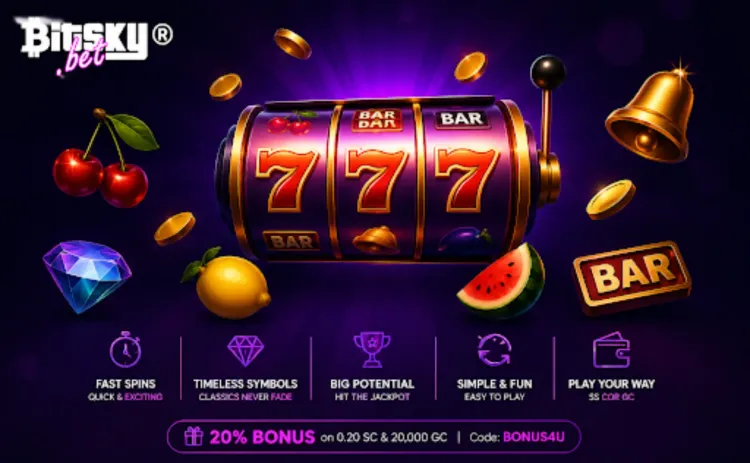
Fruit, bars, 7s, and bells. These four categories basically built the visual language of the entire genre, and they have held up for well over a century now.
The fruit symbols: cherries, lemons, and watermelons, especially go back to the earliest machines. Interestingly, bar symbols were actually developed as brand marks by chewing gum manufacturers, but very few gamers know that. 7s are always placed on top of the paytable and are the highest-paying symbols because of the payouts they offer when they match on an active line.
Bells fill the middle tier in most titles, paying reasonably well without competing with the top prize. Horseshoes, stars, and diamonds round things out depending on the developer. What is genuinely useful about this shared symbol set is that you can usually guess how a new game pays just by looking at the reels, even if you have never touched that specific title before.
Classic Versus Modern: The Real Differences
The distance between these two styles has grown over the years, and it helps to break down where exactly they diverge.
Today's slot machines have 5 or more reels stacked on one another, hundreds of pay lines, wild symbols that spread across reels, and multipliers that accumulate over spins. Sometimes even having a progressive component that increases as long as you keep spinning. All these features have been created to keep you surprised.
Older-style games drop almost all of that. Most stick to one bonus feature at most, and plenty skip bonus rounds entirely, leaning on the base game alone to carry the entertainment. Because the math stays simple, and the paytable is easier to read at a glance, something a lot of players actually prefer once they think about it.
Sound design splits the two styles apart as well. Modern titles often build a full soundtrack around a theme, an adventure story, or a mythology, or sometimes licensed music. The older format usually sticks to sharp, mechanical sound effects: coins clinking, a clean chime on a win, and nothing layered or produced.
What You Will Find on Bitsky
Bitsky carries a solid selection of titles in this category, and they are not all identical when you compare them side by side.
Straight fruit machine-style games are the most common subtype, leaning hard into bright colours and minimal distractions. If you want the purest version of the format, this is where you start.
Gem and diamond themed variations use the same basic structure but swap fruit for gemstones, giving the visuals a slightly more polished feel without touching the core gameplay. Players who like the simplicity but want something visually different from a fruit machine tend to land here.
Retro titles built around a single respin or multiplier feature sit somewhere in between. They keep the stripped-down structure intact while adding just enough extra engagement to hold your attention over a longer session.
- Pure fruit titles running three reels with minimal paylines
- Gem and diamond-themed games with a premium visual finish
- Retro releases featuring one respin or multiplier mechanic
- Multi-line versions that expand past a single traditional payline
RTP and Volatility, Explained Plainly
RTP, on the other hand, lets you know how much of all money bet on the game will be returned to players in theory over an extended period of time in millions of spins. Your personal experience, whether it comprises twenty or two hundred spins, does not have to resemble this statistical figure at all, and that’s just how it is.
Many games in this category boast of an RTP in the mid 90s range, which correlates with the general slot sector. The volatility in such games is usually less than in video slots because winnings happen more frequently but in smaller amounts, which is perfectly fine considering the nature of such games.
Numbers still shift from title to title, so check the specific RTP and volatility rating listed on each game before you commit to it. Two games can look nearly identical and still pay very differently.
Getting More Out of a Session
There is no real strategy layer here since outcomes are random, but a few habits still make a difference in how enjoyable a session feels.
Decide on a spending limit before you start, and actually hold to it. Rounds move fast in this format, fast enough that it is easy to lose track of time or how many spins you have gone through.
Use demo modes whenever they are offered. It only takes a few minutes to get a feel for a game's rhythm and paytable, and that matters more than people expect since paytables can differ even between titles that look visually similar.
Check the payline count instead of assuming every title works the same way. Some stick to a single line running through the center; others stretch to five, nine, or more. Knowing that number changes how you read a near miss or a partial line.
- Set a limit before you start and actually track it while playing
- Run the demo version first to learn the paytable and pace
- Confirm the payline count rather than assuming a standard layout
- Look up the RTP and volatility figures listed for that specific title
A Format Built for Short Windows
One thing that gets overlooked here is how well this style fits into brief stretches of free time. Fast rounds and simple rules mean you can play for five minutes without relearning anything or sitting through an intro sequence.
That makes it a natural fit for short breaks, a pause between tasks, and a few spare minutes here and there. Low commitment has kept this format relevant across generations, from the earliest mechanical cabinets right up through today's digital platforms.
Trying It on Bitsky
Getting started takes no real effort. Bitsky organises its library so you can filter specifically for fruit machine-style titles, gem-themed variations, or retro releases with a light bonus feature, depending on what you are after. After trying several gem-themed releases, the gameplay usually stays identical while only the presentation changes.
There is also a limited-time offer running right now: 20% off purchases with 0.20 SC and 20,000 GC when you use promo code BONUS4U at checkout. It is a reasonable way to sample a few different titles in the category before settling on favourites.
Conclusion
It is all about speed, nostalgia, and familiarity that the newer formats just cannot quite achieve. You can either choose from the straight slot machine format or something a little more polished in the form of a gem variation. There will certainly be something that meets your criteria. Bitsky's current selection covers both, and with the 20% off promotion using 0.20 SC and 20,000 GC through code BONUS4U, it is a good moment to try a few out.
Enjoy the simplicity of classic slots? Explore more slot games on Bitsky and discover different styles, themes, and gameplay features.
FAQs
1. What actually separates a classic slot from a modern one?
Reel count and complexity, mostly. The older format sticks to three reels and a handful of paylines with traditional symbols like fruit and sevens. Modern titles expand to five or more reels and layer in additional bonus mechanics throughout.
2. Do these games pay out less than modern titles?
Not inherently. RTP depends on the individual game rather than the category it belongs to, though a lot of titles here land in a similar mid 90s range as the broader industry.
3. Is the classic slot format easier for someone just starting?
Generally, yes. The paytables and rules are simpler to grasp compared to feature-heavy modern titles juggling multiple bonus systems at once.
4. Can I test a title before using real funds on it?
Most platforms, Bitsky included, offer demo versions for a large chunk of their library, so you can explore the paytable and pacing first.
5. Why does fruit show up in almost every title in this genre?
It traces back to the earliest mechanical machines, where fruit symbols became a standard visual cue, and that association never really faded.